








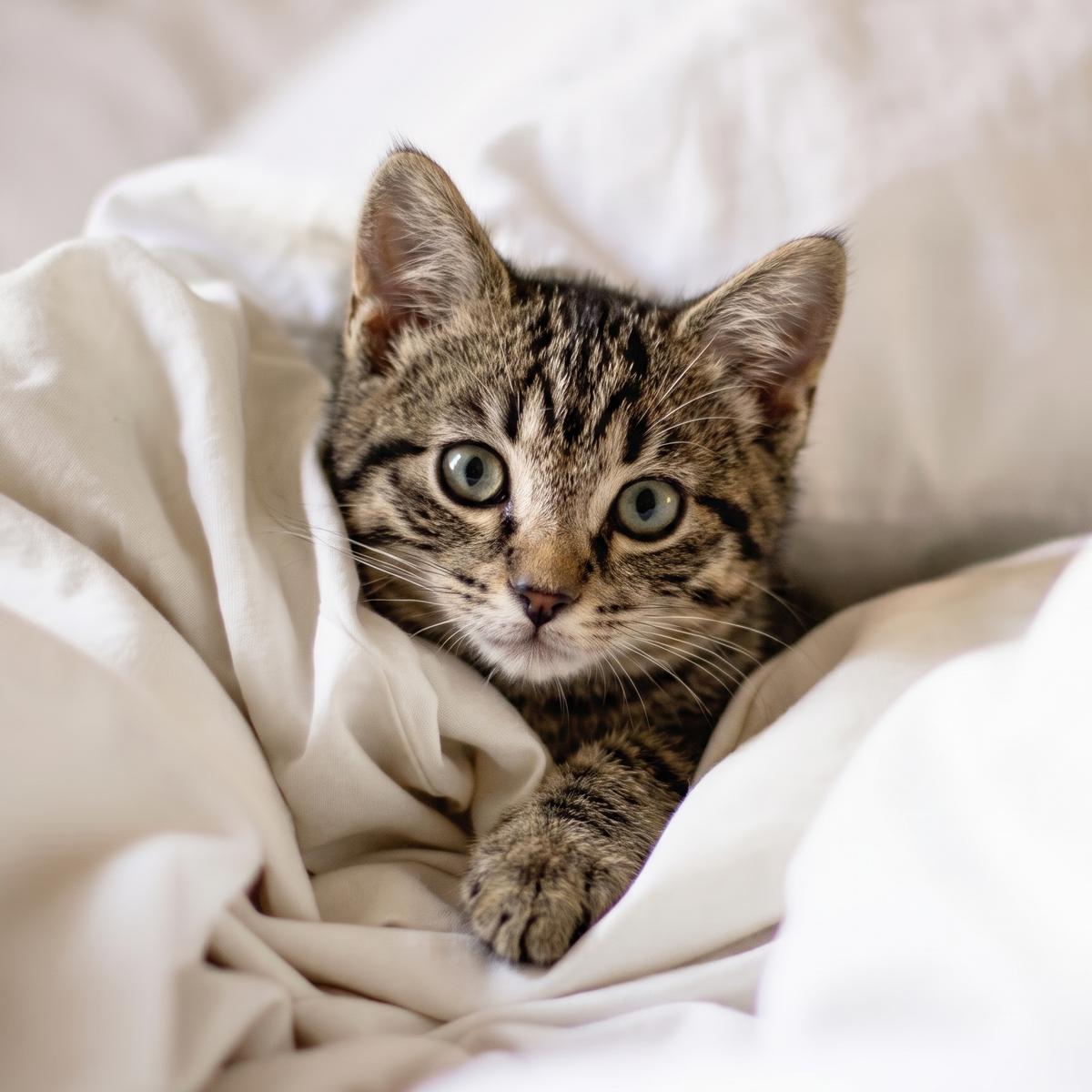
TL;DR: If you share your home with a cat, minoxidil is one to think hard about — it’s genuinely toxic, even fatal, to cats, and it doesn’t take much. Here’s why pet owners are skipping the hair-regrowth drug, and the gentle, minoxidil-free route Let It Thrive offers instead. (General information, not medical advice.)
The reason that stops cat owners cold
Minoxidil is the best-known over-the-counter hair-regrowth drug, and for people chasing regrowth it genuinely works. But there’s a danger that rarely makes the label: it’s highly toxic to cats (and risky for dogs), and it takes shockingly little.
The numbers are sobering. In one set of ASPCA-tracked cases, out of 211 pet exposures, 62 cats developed symptoms and 8 of them died — and nearly every pet fatality poison centers see is a cat (ASPCA; Pet Poison Helpline). A few drops transferred from your hands, a pillowcase, or a dropped applicator — then groomed off by a curious cat — can be enough. Signs (vomiting, lethargy, trouble breathing, fluid on the lungs) can appear within an hour or take up to 12. For a lot of cat owners, that alone is a full stop.
You can be careful — wash thoroughly, let it dry, keep pets away — but the risk of transfer to hands, pillows and surfaces is exactly why many people with cats simply don’t want it in the house.
Even without pets, minoxidil asks a lot
To be fair to the drug: it works by boosting blood flow to the follicle and extending the hair’s growth phase (Mayo Clinic). But it’s a commitment: results depend on continued use and gradually reverse if you stop; many people get an unnerving burst of extra shedding early on (the “dread shed”); and it comes with the usual drug trade-offs like scalp irritation and unwanted hair where it migrates. If medical regrowth is your goal, it’s the proven route — it’s just a lot to take on for a cosmetic aim.
Where Let It Thrive fits: the minoxidil-free route
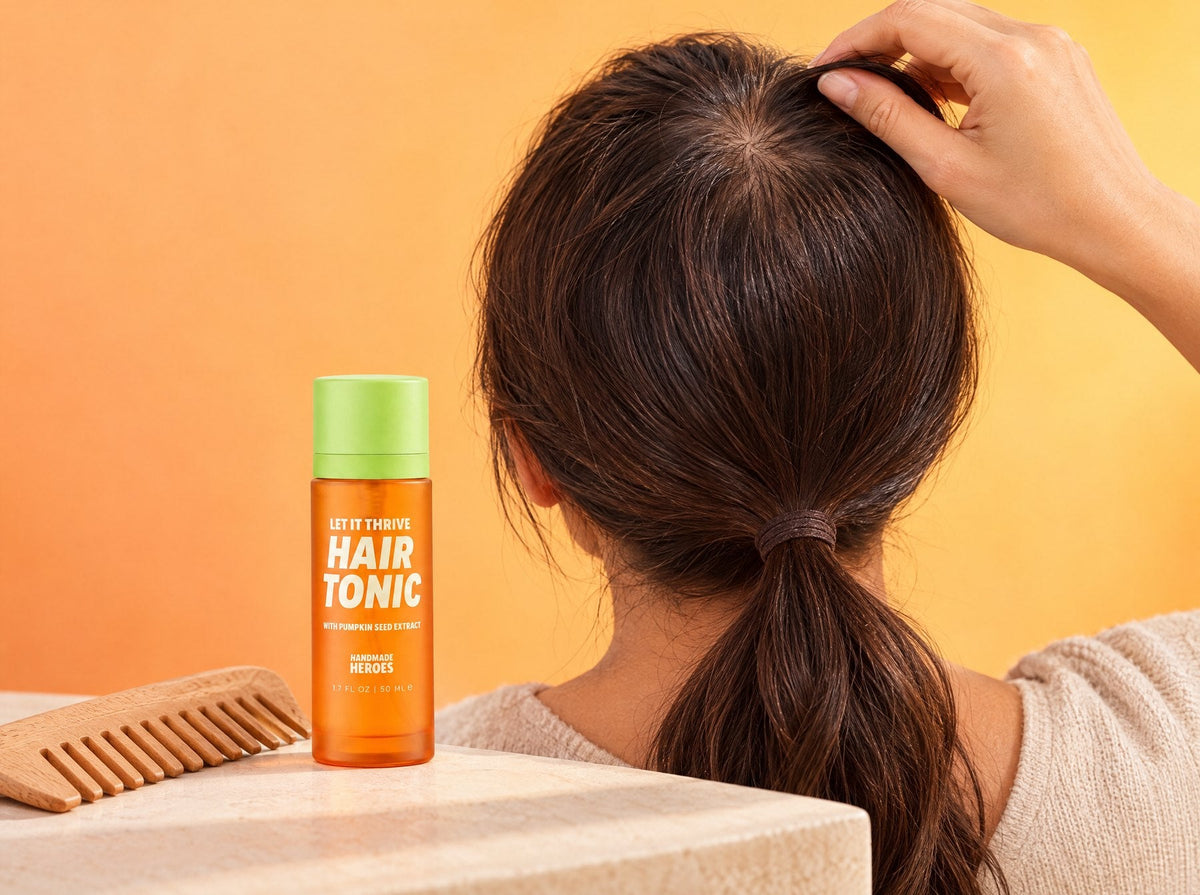
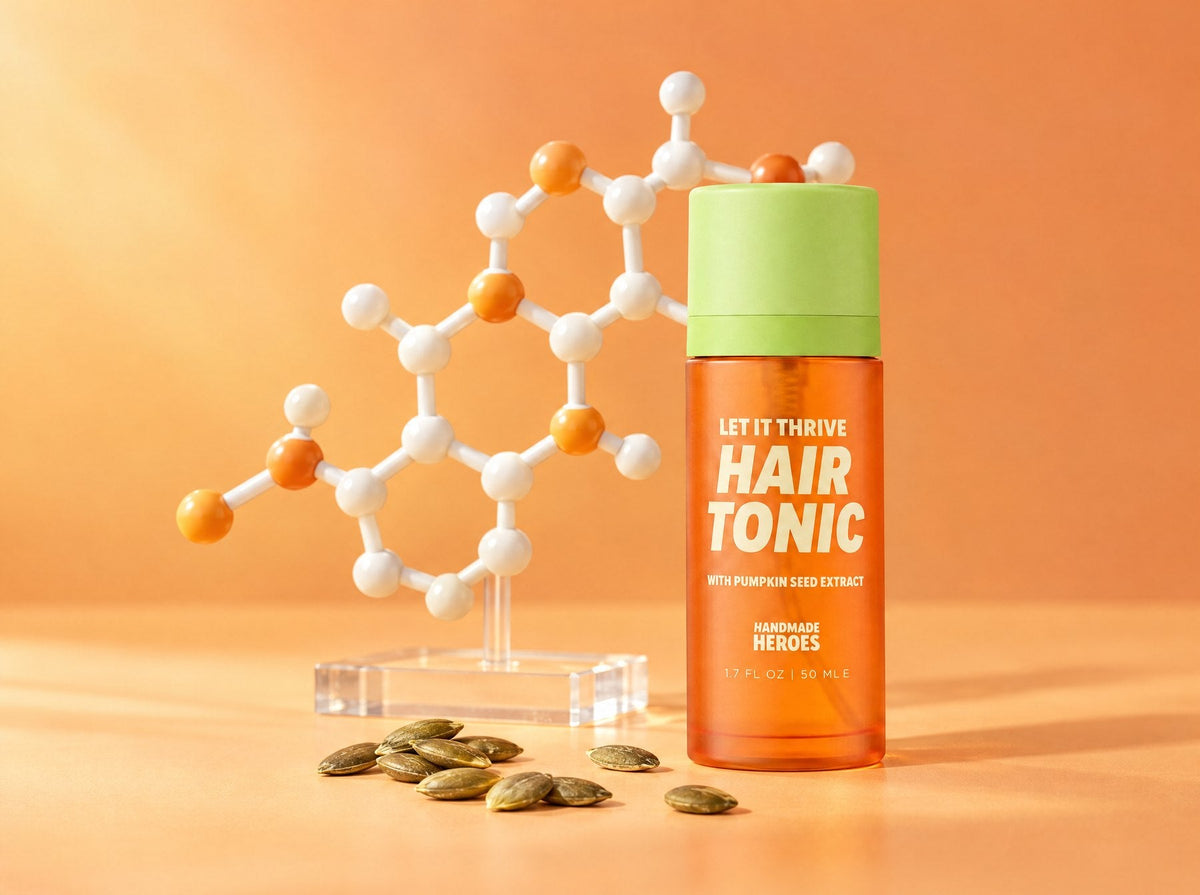
Here’s the honest framing, because we don’t do hype: Let It Thrive is a different kind of care — cosmetic, not a drug. It’s built on pumpkin seed and rosemary, two of the most-studied botanicals in scalp care, and it supports a healthy-looking scalp and the appearance of fuller, thicker-looking hair while conditioning lashes and brows — with no prostaglandins and no minoxidil.
Which means no lifetime-drug commitment — and because there’s no minoxidil in the bottle, you’re not handling the substance that lands cats in the ER. (It’s still a cosmetic, not a pet product, so keep it out of curious paws’ reach like anything else — but it isn’t the drug that poses that danger.)
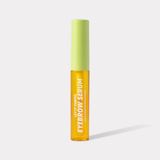
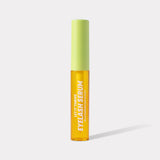
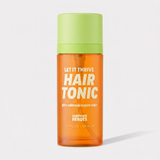
What it won’t do is regrow hair the way a drug claims to, and we’d never tell you otherwise. What it will do is give you a gentle, 10-second daily ritual to look after the hair, lashes and brows you’ve got. Meet the line: the Let It Thrive Hair Tonic for the scalp and the Let It Thrive Eyelash Serum for lashes and brows. Explore the gentle route — shop Let It Thrive.
FAQ
Is minoxidil safe for cats and dogs? No — it’s toxic, especially to cats, where even small exposures can be fatal; nearly every pet fatality poison centers track is a cat (ASPCA).
I use minoxidil and have a cat — what should I do? Wash your hands thoroughly after applying, let it dry completely before contact, keep your cat away from the application area, pillows and towels, and store it securely. If you suspect any exposure, call the ASPCA Animal Poison Control Center at (888) 426-4435 right away.
Is Let It Thrive a minoxidil alternative? Not a medical one. Minoxidil is a proven regrowth drug; Let It Thrive is cosmetic conditioning care — different tools for different goals. If regrowth is the aim, talk to a doctor.
Will it regrow my hair? No — it’s a cosmetic conditioner that supports the appearance of fuller, thicker-looking hair, not a treatment for hair loss. For that, see a dermatologist.
Related reading: Does biotin actually work for hair? · Why Let It Thrive skips minoxidil, biotin and prostaglandins
For the full picture, start with Pumpkin Seed Oil for Hair: Evidence vs. Hype.
Sources
- ASPCA — Minoxidil and Pets: What You Need to Know. aspca.org
- Pet Poison Helpline — Warning: Minoxidil. petpoisonhelpline.com
- Mayo Clinic — Minoxidil (topical): how it works, ongoing use, side effects. mayoclinic.org
Real ingredients. Real results.





Leave a comment
This site is protected by hCaptcha and the hCaptcha Privacy Policy and Terms of Service apply.