
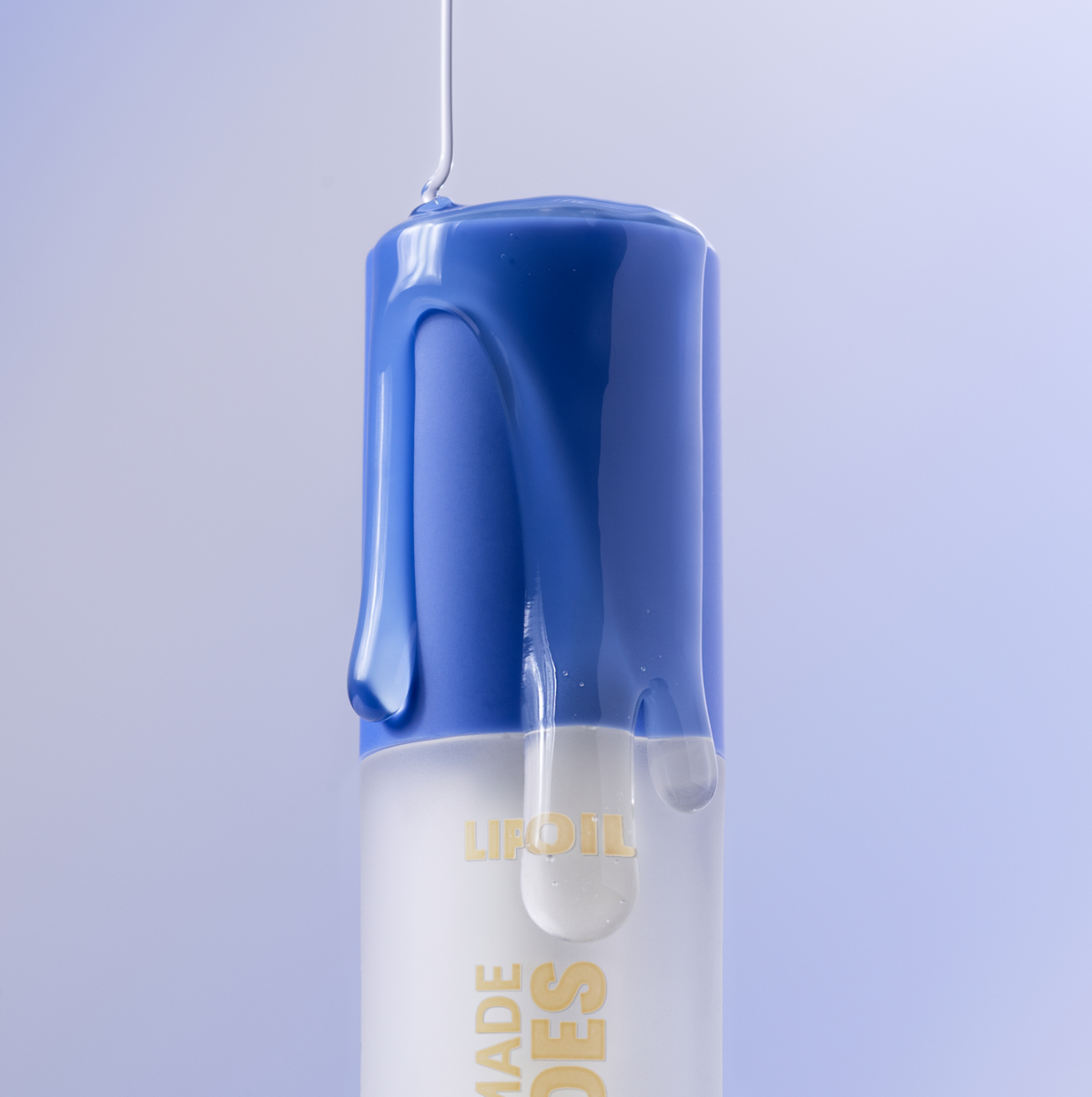
Every Mother of All Lip Oil shade starts from the same base ingredient. Here's the science of why squalane, specifically, ended up there, and what to look for if you're shopping for it elsewhere.
What Squalane Actually Is
Squalane is the stable, shelf-safe version of squalene — a lipid your own skin already produces as part of your sebum. Cleveland Clinic dermatologist Dr. Alok Vij explains that squalane "comes from a lipid that occurs naturally in your skin," which is why it tends to feel less like a coating and more like something your skin already recognizes. Squalene on its own oxidizes quickly, so it's converted into squalane to keep it stable in a bottle. Squalene production in your body also naturally declines with age, which is part of why skin can get drier over time — squalane in a product is designed to help make up some of that difference.
Why It Works So Well on Lips
Two things make squalane a good fit for lip skin specifically. First, it's lightweight — Cleveland Clinic notes it's a good option for people who don't like the feel of a heavier cream, which matters on lips, where a thick, greasy layer feels obvious every time you talk or eat. Second, squalane is noncomedogenic, so it isn't going to clog anything while it sits on the surface. Add in that lip skin has no oil glands of its own, and an ingredient that mimics your skin's own natural lipid is a logical match for a part of your face that's structurally more prone to drying out.
Plant-Derived vs. Other Sources
Squalane can be derived from a few different sources, and Cleveland Clinic is specific on this point: look for products made with 100% plant-derived squalane. Ours comes from sugarcane, which gives the same skin-identical lipid without relying on animal sources. It's a small sourcing detail that doesn't change how the ingredient behaves on your lips, but it's worth knowing what you're actually applying.
Squalane vs. Heavier Balm Ingredients
Thicker balm ingredients — waxes, butters, petrolatum — work by sealing moisture in with an occlusive layer. That's effective, but it can feel heavy or tacky. Squalane takes a different approach: instead of sealing everything under a film, it integrates into the surface with a lighter touch, which is part of why a squalane-based oil reads as glossy and cushiony rather than thick or waxy.
What's in Our Squalane-Based Lip Oil
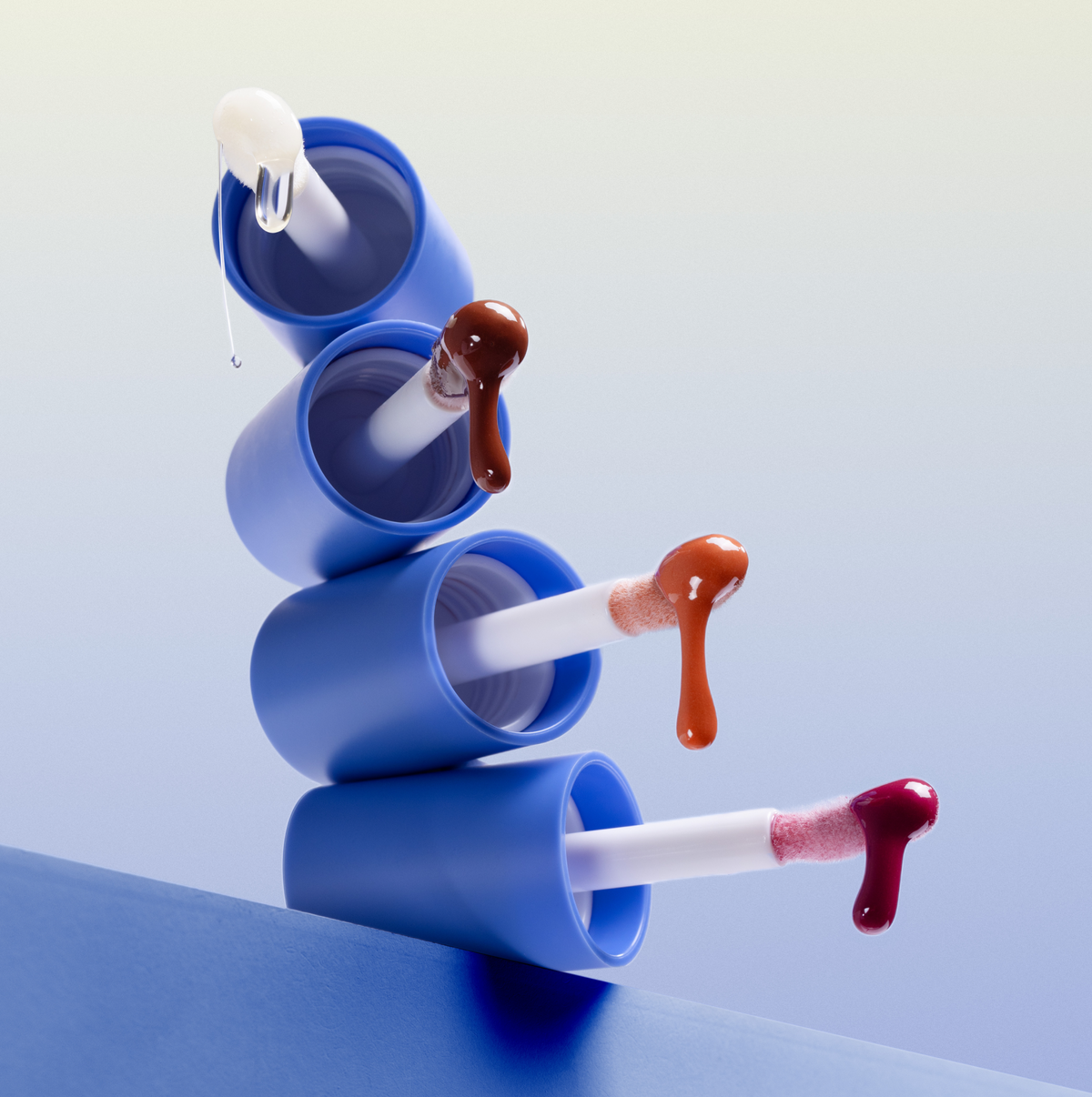
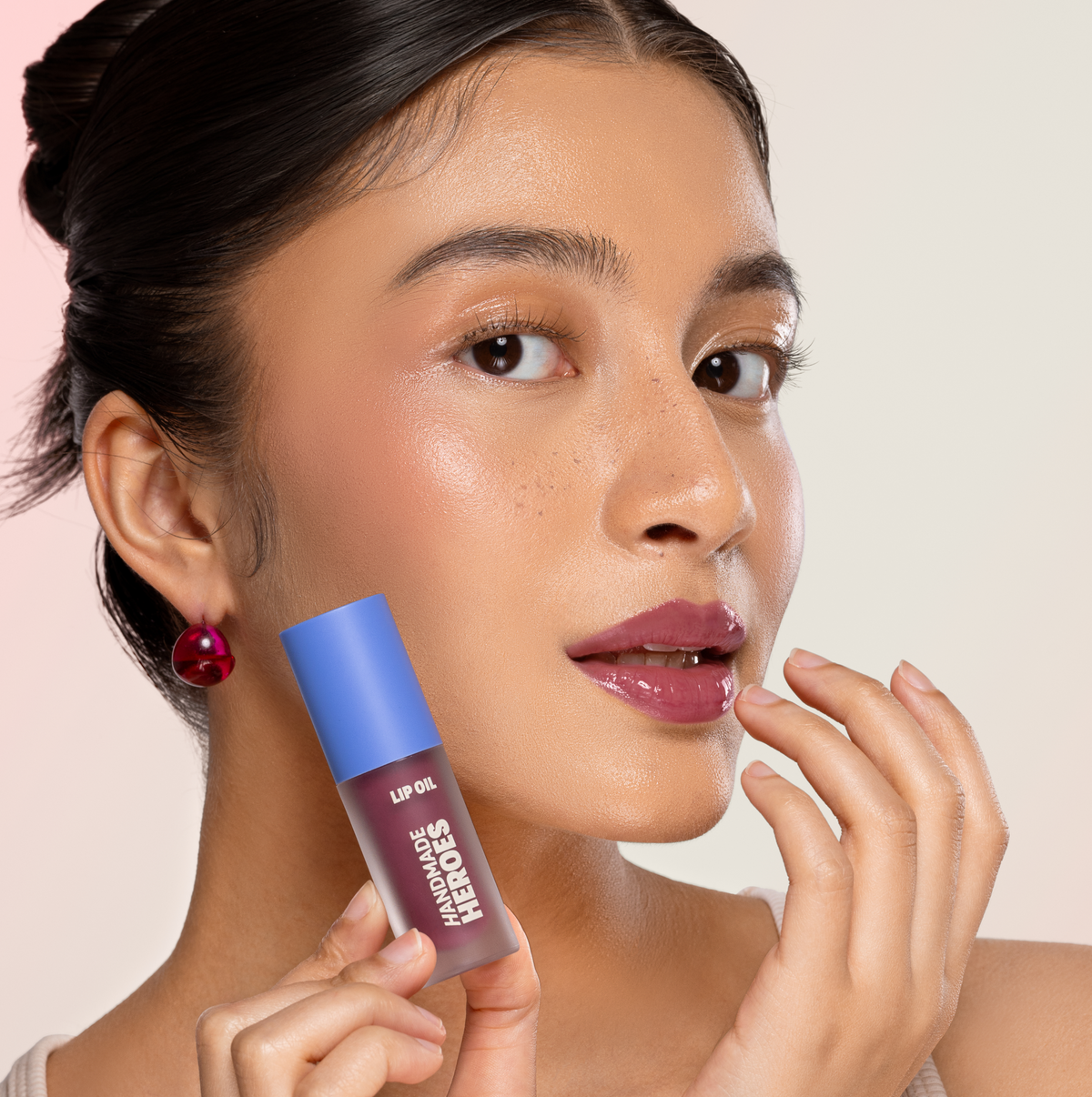
Every shade of Mother of All Lip Oil — from clear to tinted — is built on the same sugarcane-derived squalane oil base. It's the reason the formula can deliver a glass-like, high-shine finish while still feeling lightweight and non-sticky rather than sitting on lips like a heavy gloss.
To feel squalane on its own, with zero tint, try Mother of All Lip Oil – Super Glaze — a clear, glass-like glaze that layers over any lip color and leaves lips feeling soft and cushiony rather than coated.
FAQ
Is squalane the same as squalene? No. Squalene is the naturally occurring lipid found in skin, plants, and animals. Squalane is the more stable, hydrogenated version used in skincare so it doesn't turn rancid in the bottle.
Does squalane feel greasy? No — it's known for being lightweight, which is part of why it works well under other products or on its own.
Can squalane clog pores? Cleveland Clinic notes squalane is noncomedogenic, meaning it isn't known to clog pores.
Is plant-derived squalane different from other kinds? The molecule behaves the same either way; the difference is sourcing. Ours is derived from sugarcane rather than any animal source.
Related reading
- What Does Lip Oil Actually Do? An Honest Breakdown
- Lip Oil vs. Lip Gloss: What's Actually the Difference?
- Which Mother of All Lip Oil Shade Is Yours?
Sources
Real ingredients. Real results.

Leave a comment
This site is protected by hCaptcha and the hCaptcha Privacy Policy and Terms of Service apply.