
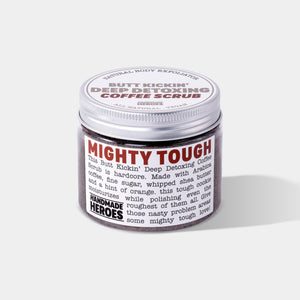
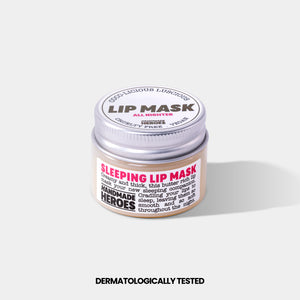

TL;DR: Chapped lips are caused by a combination of environmental exposure, dehydration, bad habits, and harsh products. A consistent routine — gentle scrub, overnight mask, daily nourisher — is all it takes to turn them around. Here’s exactly how.
If your lips are perpetually dry no matter how much balm you apply, you’re not alone — and you’re probably not getting to the root cause. Chapped lips aren’t random. They’re a signal. And once you understand what’s triggering them, fixing them is actually straightforward.
Why Your Lips Keep Getting Chapped
According to the American Academy of Dermatology (AAD), some of the most common culprits include:
- Cold, dry weather: Low humidity pulls moisture out of lips faster than they can replenish it.
- Lip licking: It feels like relief but it makes things worse. Saliva evaporates quickly and takes your lips’ natural moisture with it.
- Dehydration: Chapped lips are dry lips — and that starts from the inside. If you’re not drinking enough water, your lips will show it.
- Irritating ingredients: Certain lip products contain fragrance, menthol, camphor, cinnamon, or citrus flavoring that can actually dry out or irritate lips further instead of helping them. The AAD recommends checking labels and avoiding these.
- Breathing through your mouth: Especially during sleep, mouth-breathing dries lips out significantly overnight.
- Sun exposure: UV damage affects lips just like it affects skin — and lips have minimal natural UV protection.
The key thing to understand: lips have no oil glands. Unlike the rest of your skin, they can’t produce their own moisture barrier. That makes them uniquely vulnerable to everything on the list above — and it’s exactly why consistent, targeted lip care makes such a noticeable difference.
What to Stop Doing Right Now
Before you build the right routine, let’s cut the habits that are actively working against you:
- Stop licking your lips. Seriously. It’s the single most counterproductive thing you can do when lips are already dry.
- Stop picking or peeling. It’s satisfying and it absolutely makes things worse. Let the scrub do the work instead.
- Stop using products with fragrance, menthol, or flavoring when your lips are actively irritated. Save those for when your barrier is healthy.
- Stop applying lip balm reactively and then forgetting about it. One swipe before bed isn’t enough when your lips are in crisis mode.
The Simple Routine That Actually Works
Step 1: Exfoliate (1–2x per week)
Before you can hydrate effectively, you need to clear the dry, flaky layer sitting on top. Apply the Cocolicious Luscious Lip Scrub in gentle circles, then wipe clean. This removes the buildup that’s blocking your lip treatments from absorbing properly. Gentle and consistent — never aggressive.
Step 2: Hydrate overnight (every night)
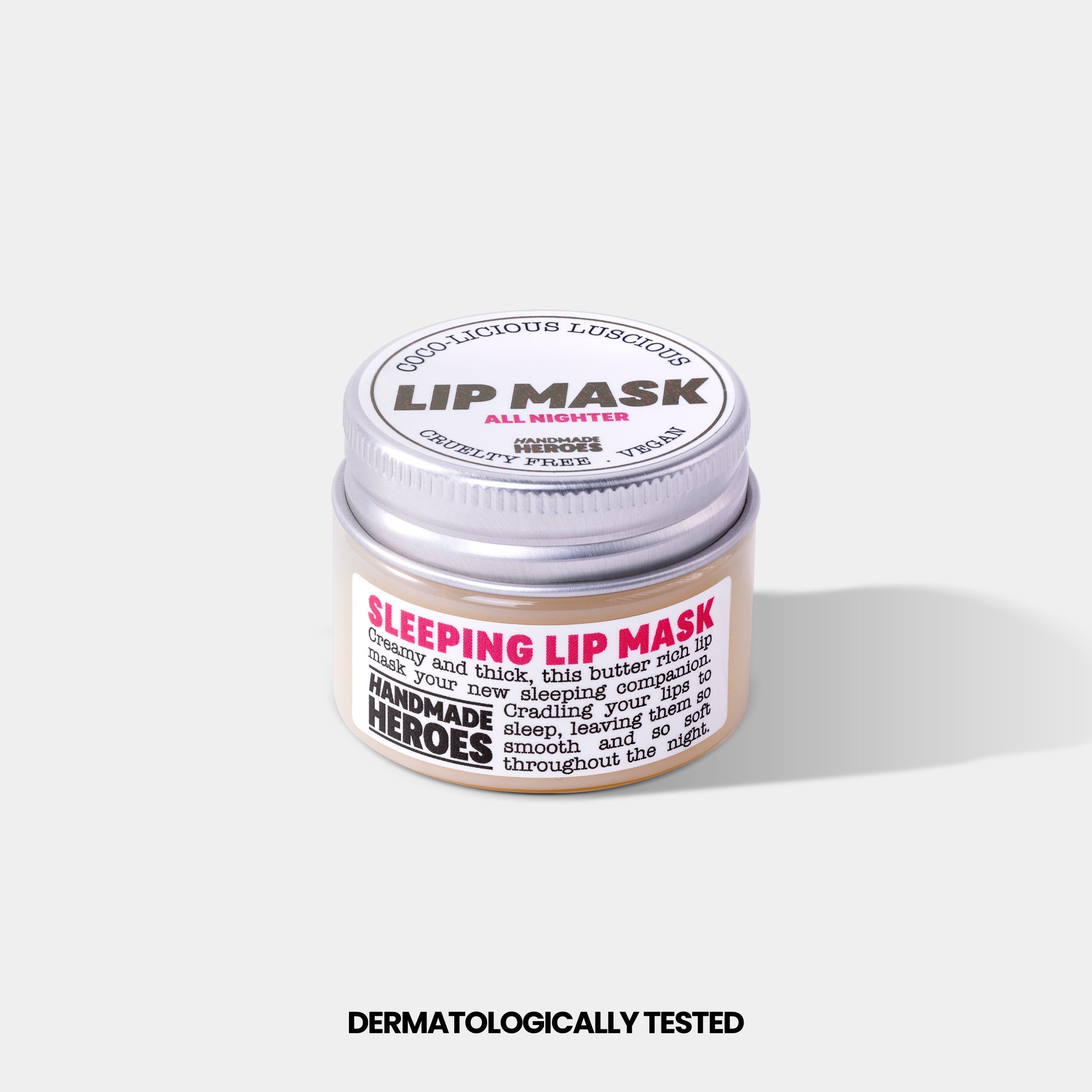
This is the most impactful step. Apply the Cocolicious Luscious Lip Mask as the last step in your evening routine. A thick, occlusive layer helps seal in moisture while you sleep — exactly when your lips do their best recovery work. The AAD specifically recommends thick ointments over waxy balms for very dry or cracked lips, because they seal in water more effectively.
Step 3: Nourish through the day
Reapply throughout the day — the Mother of All Lip Oil is perfect here. Non-sticky, nourishing, and wearable enough that you’ll actually use it. The more consistently you keep a protective layer on your lips, the less moisture they lose.
How Long Does It Take to Heal Chapped Lips?
According to the AAD, following a consistent lip care routine should deliver noticeable improvement within 2–3 weeks. If you’re not seeing improvement, or if your lips are severely cracked, painful, or showing signs of infection, it’s worth checking in with a board-certified dermatologist — persistent dryness can sometimes indicate an underlying cause.
Frequently Asked Questions
Why do my lips get chapped even when I use lip balm?
A few reasons: you might be using a product with irritating ingredients, not applying it frequently enough, or skipping the overnight step when lips actually have time to repair. Also check for fragrance, menthol, or flavoring in your current balm — these can worsen dryness in sensitive lips.
Should I exfoliate chapped lips?
If your lips are mildly dry, a very gentle scrub 1–2x a week can help by removing the flaky layer so treatments absorb better. If your lips are cracked or raw, skip the scrub until the barrier has calmed down — hydrate first, exfoliate later. Read more in our article: Do Lip Scrubs Work?
Does drinking more water fix chapped lips?
Staying hydrated helps, but it’s not the whole answer. Since lips can’t produce their own moisture, topical care — especially overnight — is essential regardless of how much water you drink.
What ingredients should I look for in a lip treatment?
Look for occlusive or emollient ingredients like shea butter, coconut oil, vitamin E, and cocoa butter. The AAD specifically recommends avoiding camphor, eucalyptus, menthol, fragrance, and citrus flavoring in lip products.
Shop the full Lips collection for everything you need to build your routine.
Sources
- American Academy of Dermatology. 7 Dermatologists’ Tips for Healing Dry, Chapped Lips.
- American Academy of Dermatology. How to Prevent and Treat Dry, Chapped Lips.
- Cleveland Clinic. Chapped Lips (Cheilitis): Causes, Treatment & Prevention.
Real ingredients. Real results.

Leave a comment
This site is protected by hCaptcha and the hCaptcha Privacy Policy and Terms of Service apply.