
Short version: lip oil conditions your lips and leaves a glassy, wet-look shine. It does not plump, resurface, or permanently change your lip color, and it's worth knowing that going in. Here's the honest, ingredient-level answer.
The Short Answer
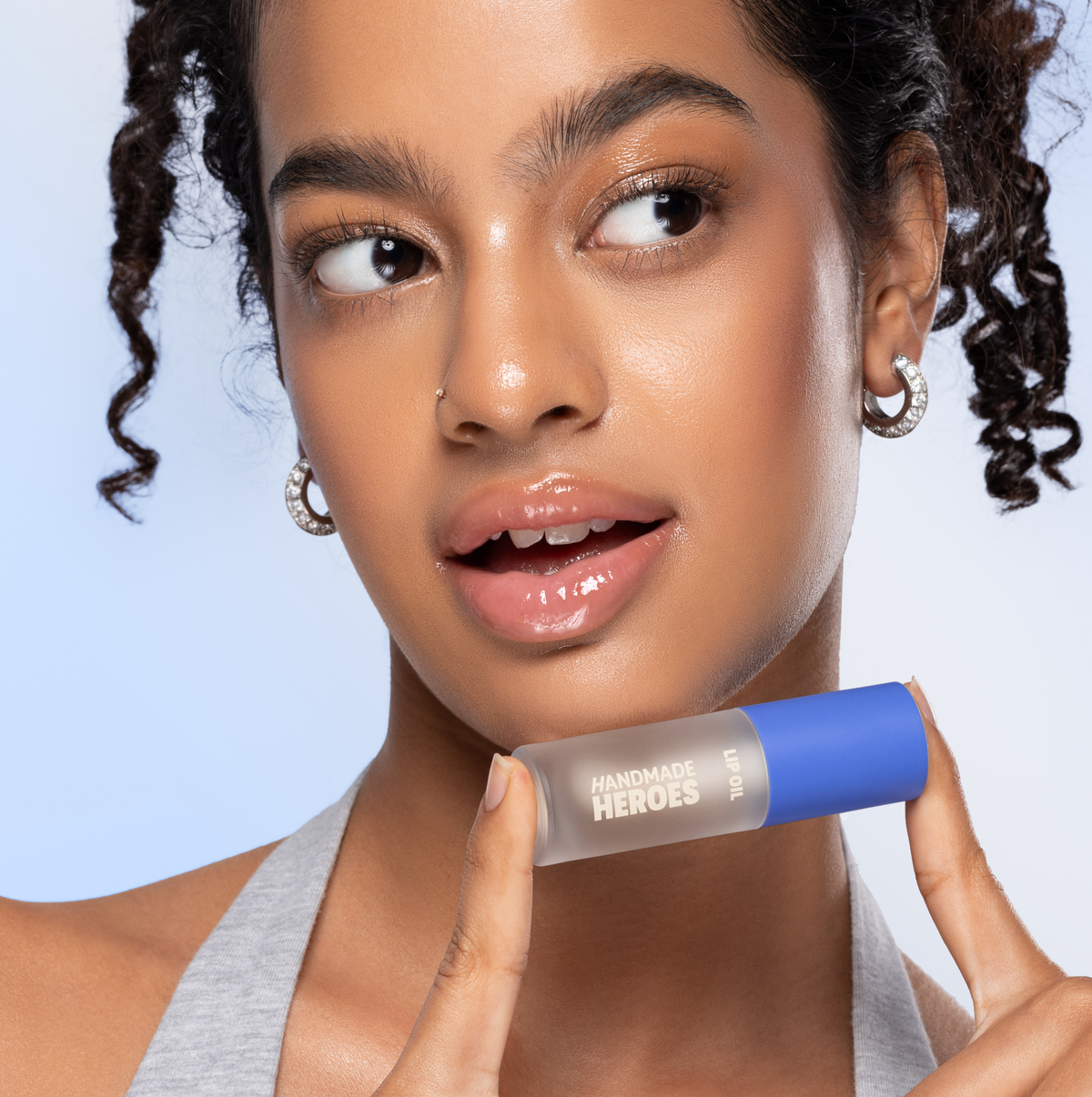
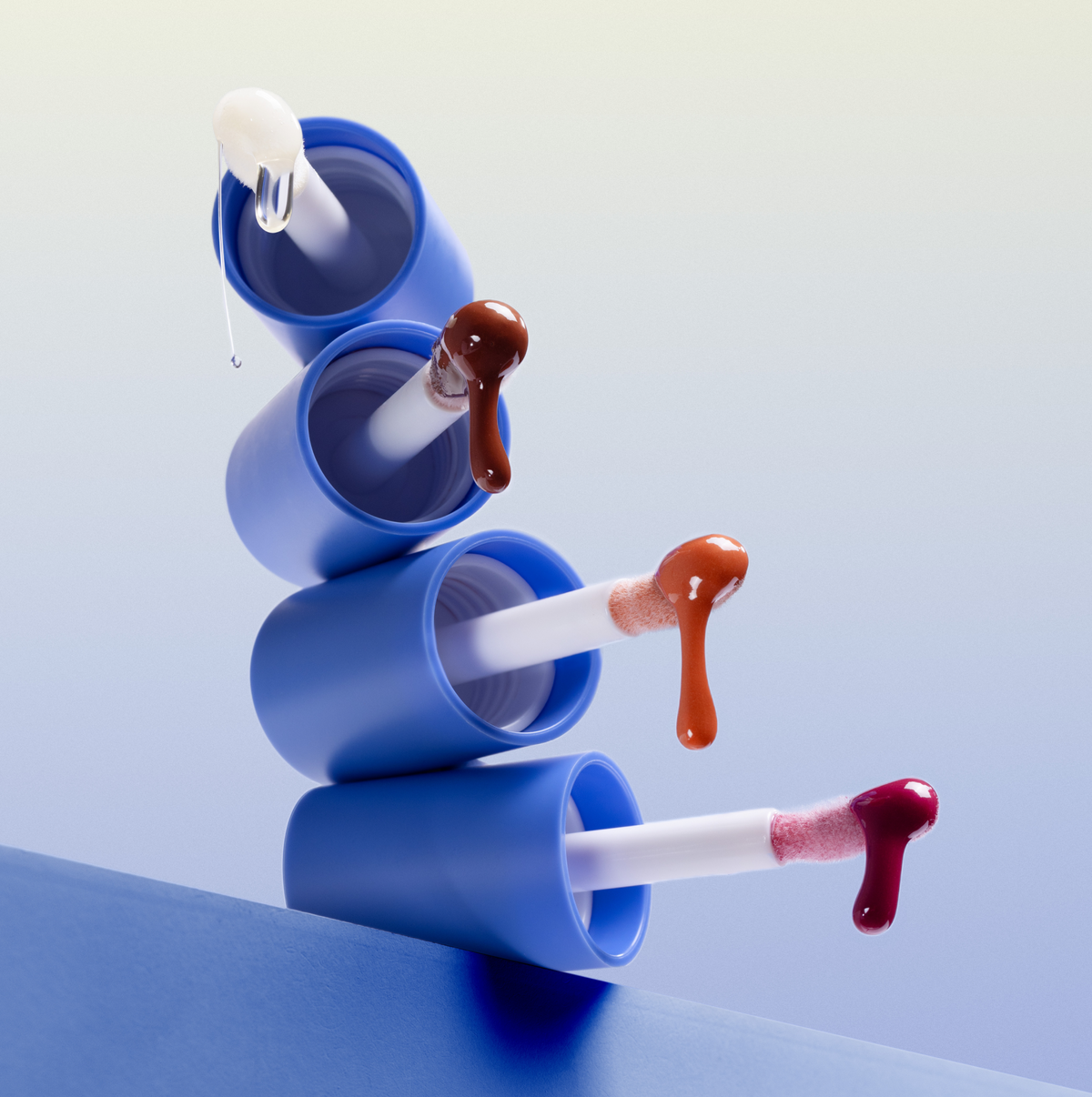
Lip oil is a two-job product. Job one is cosmetic: a high-shine, glass-like finish that reads as dewy rather than matte. Job two is conditioning: because the formula is oil-based rather than wax-based, it's designed to sit into the surface of your lips and help them feel soft, rather than just coating them. Mother of All Lip Oil does both from a single ingredient base — sugarcane squalane oil — with no separate "shine step" and "care step" required.
How Lip Oil Conditions Lips
The skin on your lips is thinner than skin anywhere else on your body, and it has no oil glands of its own — a detail Cleveland Clinic points to as the reason lips dry out and chap more easily than the rest of your face. Because lip oil is built from an actual emollient oil, it's designed to help replace some of what your lips can't produce on their own, leaving them feeling softer and less tight rather than sitting on top like a plastic-feeling gloss film.
The Glassy, Wet-Look Finish
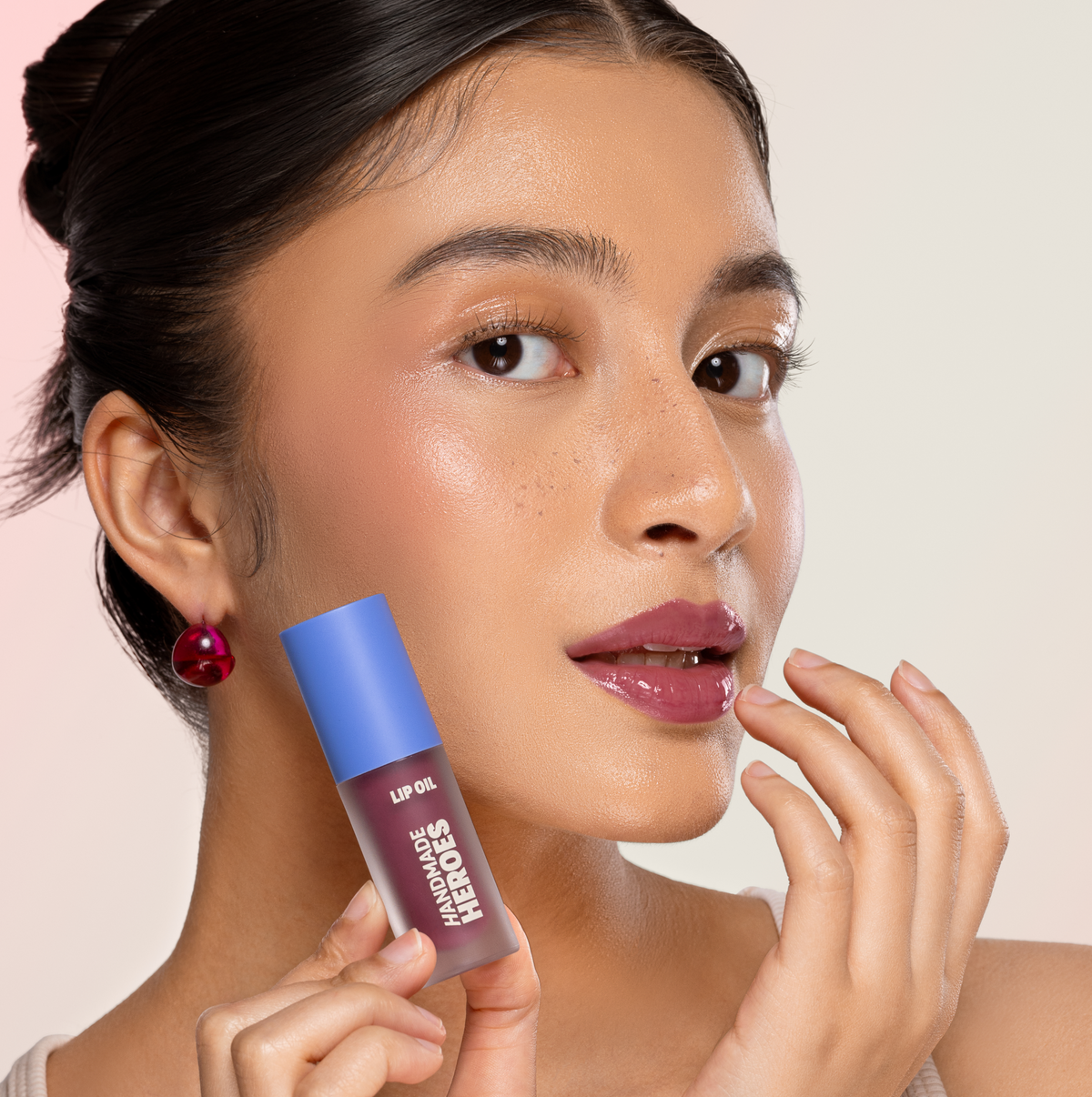
The "glass skin" and "glazed lips" look you've seen everywhere comes down to light reflection: a smooth, lightweight oil layer bounces light more evenly than a matte or heavily pigmented product. That's a cosmetic, in-the-moment effect — it looks glossy and dewy while it's on, the same way any shine-based product does, and it fades as the oil naturally wears off through the day.
What Lip Oil Won't Do
Worth saying plainly: lip oil is not a lip filler and it's not a treatment for severely cracked or bleeding lips. It won't add volume, and it won't permanently shift your natural lip color. What it will do, every time you swipe it on, is add shine and help your lips feel more comfortable than they did a minute earlier. That's a smaller promise than the internet sometimes makes it sound like, and it's a promise a good lip oil actually keeps.
Lip Oil vs. Lip Balm
Balm and oil solve overlapping problems with different textures. Traditional balms lean on thicker, more occlusive ingredients — waxes, butters, sometimes petrolatum — to seal moisture in, which is part of why the American Academy of Dermatology lists ingredients like petrolatum, shea butter, and dimethicone among those dermatologists recommend for healing chapped lips. Lip oil trades some of that heavy sealing power for a lighter, glossier feel — it's built more for everyday shine-plus-conditioning than for treating already-cracked, peeling lips.
If you want to feel the difference for yourself, Mother of All Lip Oil – Super Glaze is our clearest example: a squalane-based formula that melts into a dewy, cushiony finish without the tacky feel of a heavier gloss.
FAQ
Can lip oil replace my lip balm? For everyday softness and shine, yes. If your lips are already cracked or peeling, a thicker, more occlusive balm may do more work while they heal.
Does lip oil actually hydrate, or does it just look wet? Both — the glassy look is a light-reflection effect, but the oil itself is also conditioning the surface of your lips as it sits on them.
How often can I reapply? As often as you like. Swipe on, reapply whenever your lips feel like they need it.
Related reading
- Lip Oil vs. Lip Gloss: What's Actually the Difference?
- Squalane for Lips: The Ingredient Doing the Actual Work
- Which Mother of All Lip Oil Shade Is Yours?
Sources
- Cleveland Clinic — Chapped Lips (Cheilitis): Causes, Treatment & Prevention
- American Academy of Dermatology — 7 dermatologists' tips for healing dry, chapped lips
Real ingredients. Real results.

Leave a comment
This site is protected by hCaptcha and the hCaptcha Privacy Policy and Terms of Service apply.