
Your heels have been quietly building armor all year. Sandal season is just when you finally notice.
What a callus actually is
A callus is a hard, thickened patch of skin that builds up wherever there's repeated friction or pressure — heels, the edge of the big toe, the balls of your feet. It's your skin's own protective response, not a flaw and not a medical problem. Left alone, most calluses just keep thickening. Filed and moisturized on a regular schedule, they stay smooth and manageable instead.
The soak, file, moisturize routine
Dermatologists recommend the same basic sequence for at-home callus care, and it hasn't changed in years because it works:
- Soak. Warm water for five to ten minutes, or until the skin softens. This step is not optional — filing dry skin is how you overdo it.
- File. Wet the pumice stone, then work it over the callus in gentle circular or sideways strokes. Light pressure, one direction, no sawing back and forth.
- Stop before it stings. You're smoothing the top layer, not erasing the callus in a single sitting. Taking off too much skin at once is how filing leads to bleeding or irritation.
- Moisturize. Every day, not just on filing day. Dermatologists point to moisturizers with urea or ammonium lactate as ingredients that help soften hardened skin over time, keeping freshly softened skin from hardening right back up.
Treat your file like the tool it is
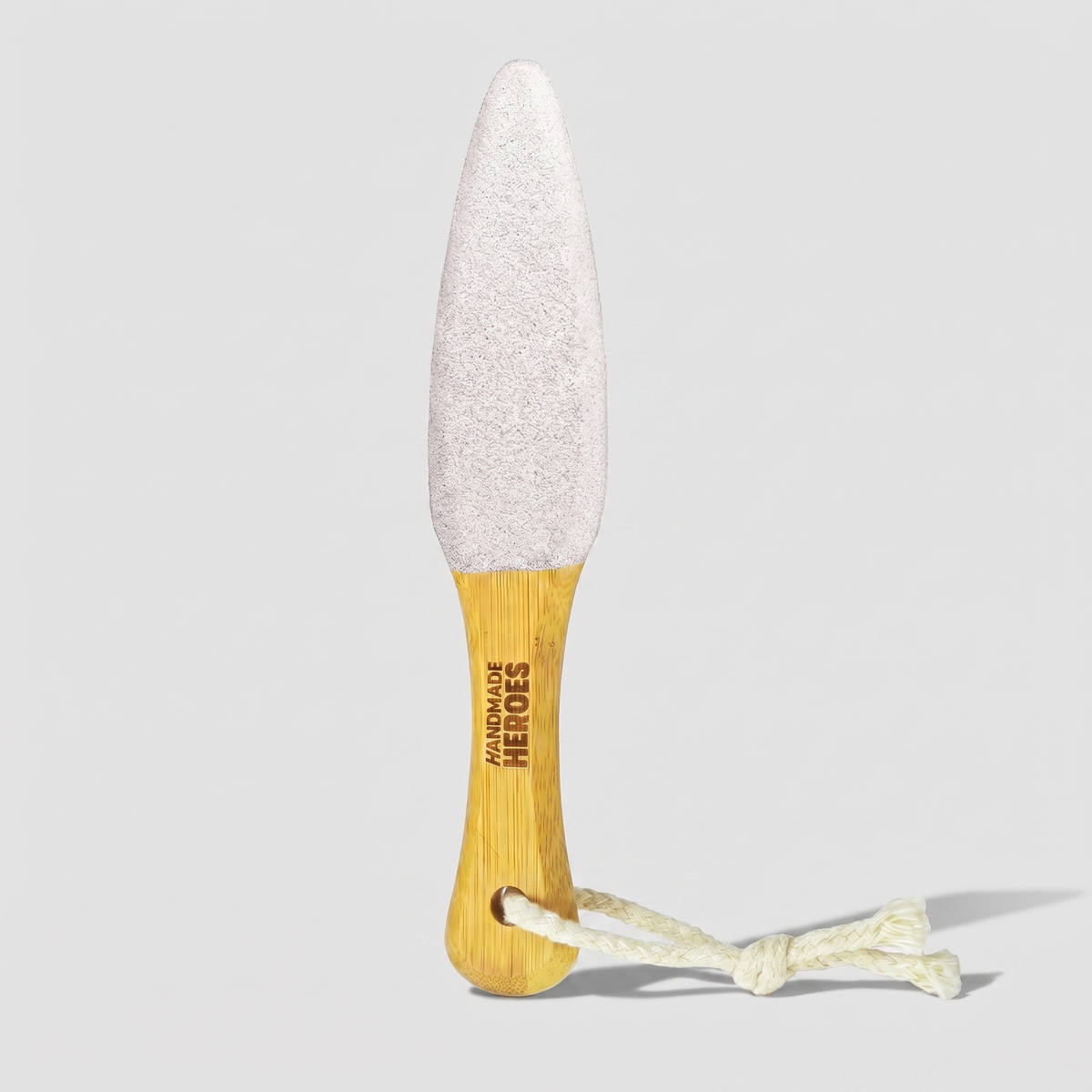
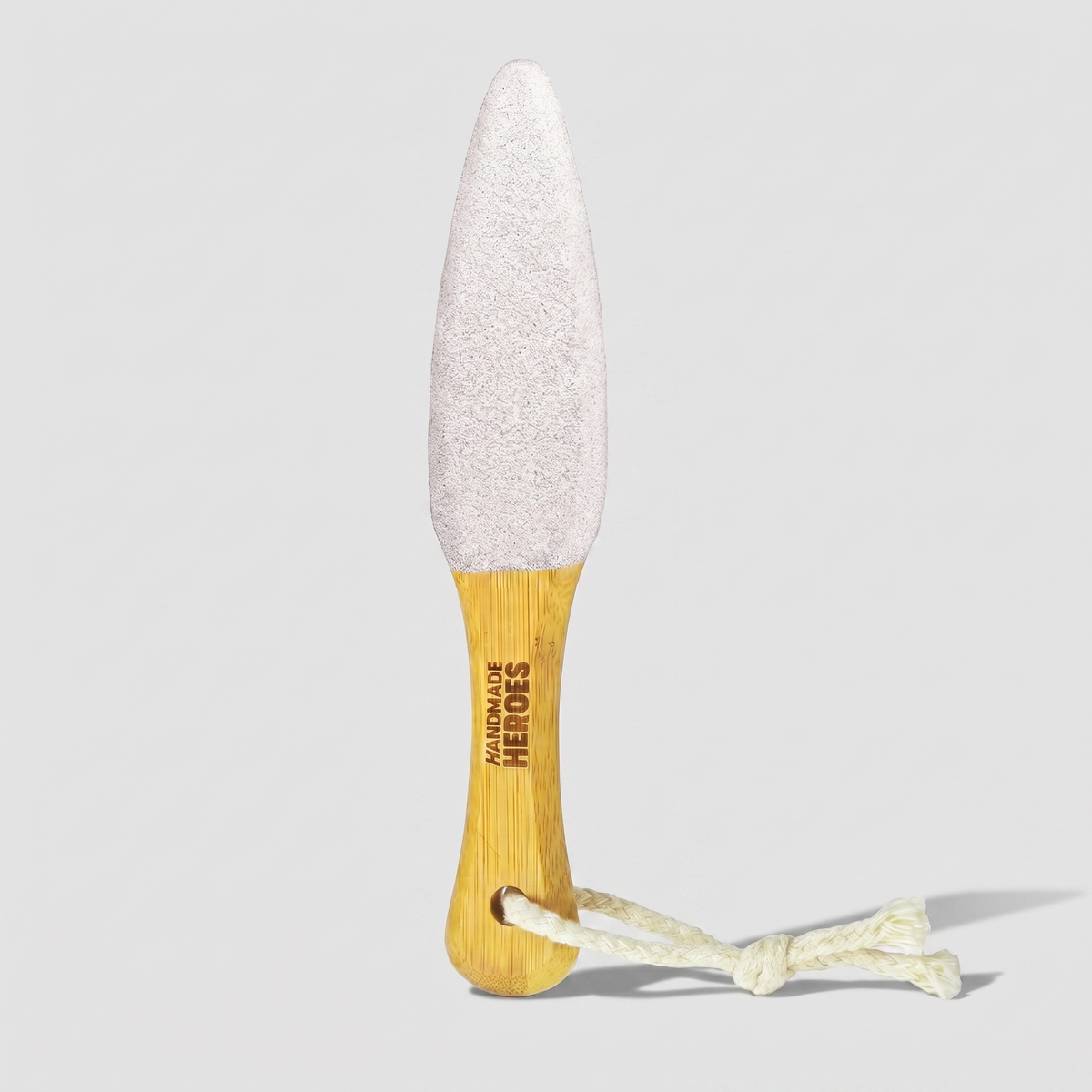
Whatever you're filing with, rinse it after every use and let it air dry before it touches your feet again. The Tough Love Pumice Stone Foot File is built around exactly that habit — it rinses clean and hangs to dry, no gel pads to replace and nothing left damp in a shower caddy. Once or twice a week is the right cadence. Filing every day just tells your skin to rebuild the callus thicker, which is the opposite of the goal.
Prevent it before it starts
Filing treats callus that's already there, but shoes that actually fit prevent a lot of it from forming in the first place. Shop for shoes at the end of the day when feet are slightly swollen, leave enough room in the toe box, and keep toenails trimmed so toes aren't pushed up against the front of the shoe. None of that replaces a weekly file, but it does mean you're not fighting the same buildup all over again every week.
When to skip the DIY
Callus smoothing at home is cosmetic grooming for ordinary, painless buildup — not a treatment for a medical condition. If you have diabetes, poor circulation, or neuropathy, see a podiatrist before filing anything yourself, since reduced sensation makes it too easy to miss an injury as it's happening. And if a heel is already cracked, bleeding, or painful, that calls for a doctor, not a pumice stone.
Shop the routine
The Tough Love Pumice Stone Foot File is dual-sided — coarse for genuinely thick spots, fine for everyday smoothing and finishing the edges so nothing catches on your socks. Bamboo handle with a no-slip grip wet or dry, vegan and cruelty-free.
FAQ
Which side of the file should I start with? The fine side. Move to the coarse side only for thick, settled callus, then finish on fine to smooth the edges.
How often should I file? Once or twice a week, always on damp, softened skin, never dry.
Is pumice or metal safer for a first-timer? Pumice — it works gradually and it's harder to accidentally take off more than you meant to. More on that in the comparison below.
Related reading
- Foot File vs. Pumice Stone: An Honest Comparison
- Sandal Season Foot Prep: A Weekly Routine That Works
Sources
- American Academy of Dermatology — How to treat corns and calluses
- Cleveland Clinic — Corns and Calluses: Symptoms, Causes & Treatments
Real ingredients. Real results.


Leave a comment
This site is protected by hCaptcha and the hCaptcha Privacy Policy and Terms of Service apply.