































Pullulan
Pullulan
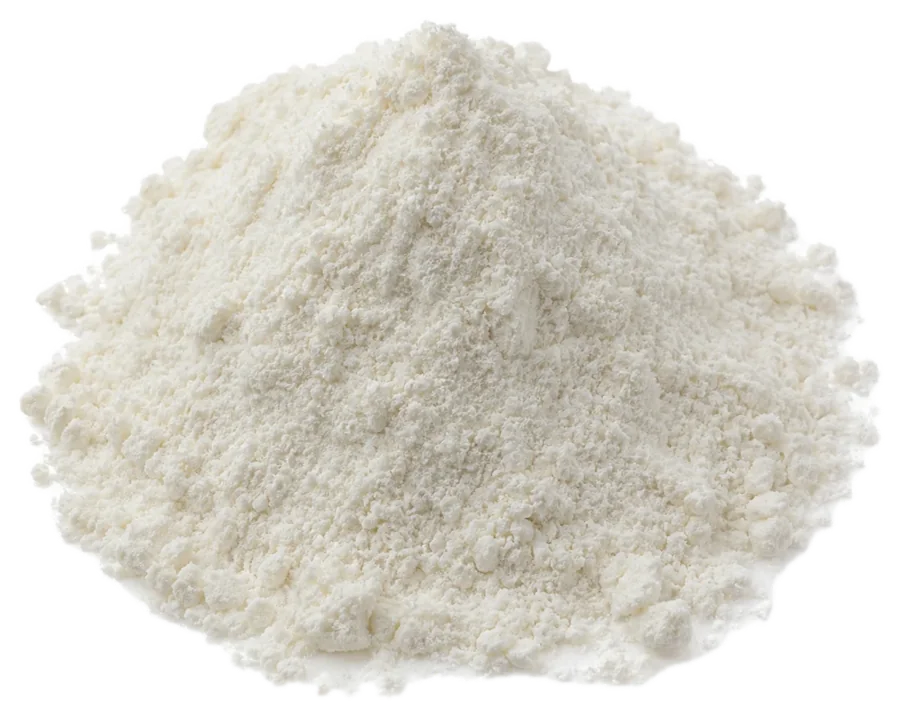
Pullulan is a sugar polymer that a yeast makes from starch, and cosmetics use it as a binder and film former
The short version
- Made by the yeast Aureobasidium pullulans, from starch
- Reported functions: binder and film former
- Highest use level of the gums reviewed: up to 12% in leave-on products
- Most safety data are oral or lab tests, not skin
The good
- The US CIR panel included pullulan among gums found safe at reviewed cosmetic uses and concentrations.1
- Its reported cosmetic jobs are binding and film forming.1
The not so good
- Most safety data concern swallowing pullulan rather than skin exposure.1
- The CIR panel noted data gaps and extended group findings to every gum on its list.1
The origin story
Pullulan is a water-soluble sugar polymer made through fermentation by the yeast-like fungus Aureobasidium pullulans, which can make it from starch.345
Bauer reported pullulan back in 1938.45 In cosmetics, pullulan has a role as a film former: it can form a transparent film.34 These days, it’s used in mascara, too.34
What is pullulan?
Pullulan is an extracellular polysaccharide that the yeast Aureobasidium pullulans makes from starch, built from repeating blocks of three glucose units.1
Commercially it's made by fermenting liquefied corn starch and filtering out the fungal biomass.1 The European food regulator describes the same process using food-grade hydrolyzed starch.2
What does pullulan do?
The reported cosmetic functions of pullulan are binder and film former.1
It's highly soluble in water, and it makes a stable, viscous solution that doesn't gel.1 In food it's used as a glazing agent and film-forming agent, and in capsules and edible films.1
How much is used?
Pullulan had the highest use concentration of any gum in the panel's review.1
That was up to 12% in leave-on products such as hair tonics and dressings, and up to 17% in a breath freshener that dissolves in the mouth.1 In products touching skin the maximum was 0.2% to 3%, and 3% in eye-area products.1
Is pullulan safe?
The Cosmetic Ingredient Review panel put pullulan on its safe list, concluding the gums are safe in the present practices of use and concentration.1
In the report's human data, no toxic effects were seen when volunteers ate 10 g of pullulan for 14 days.1 EFSA's 2025 food-additive review concluded: "there is no safety concern for the currently reported uses and use levels."2 It noted that mild digestive symptoms may occur at 10 g a day and above.2
The catch: that's swallowing, not skin. The panel noted data gaps and extended the group's data to every gum on its list.1 If a product with it irritates your skin, stop using it and check in with a dermatologist.
Questions people ask
What is pullulan in skincare?
Pullulan is a film-forming, binding sugar polymer made by a yeast from starch.1
Is pullulan safe?
Pullulan is on the safe list of a US expert panel for cosmetics.1 EFSA found no safety concern for current food uses.2 Most of the data are from eating it, not from skin tests.1
Where does pullulan come from?
Pullulan is made from starch by the yeast Aureobasidium pullulans.12
Find it in
Back to the listRelated ingredients
Back to the listSources
Show all 5 sources
- Cosmetic Ingredient Review Expert Panel. Safety Assessment of Microbial Polysaccharide Gums as Used in Cosmetics. Final Report for public distribution, October 2012; published as Fiume MM, Heldreth B, et al., Int J Toxicol, 2016, 35(1 Suppl), 5S-49S. Open source
- EFSA Panel on Food Additives and Flavourings (FAF), Castle L, et al. Re-evaluation of pullulan (E 1204) as a food additive and new application for its extension of use. EFSA Journal, 2025, 23(3), e9267. Open source
- Patel D, Orr CL, Fogg SR. Naturally derived, polymeric hair fixative systems with pullulan, and mascara compositions comprising the same. WO2012012084A2. Published January 26, 2012. Background section. Open source
- Aquinas N, Chithra CH, Bhat MR. Progress in bioproduction, characterization and applications of pullulan: a review. Polymer Bulletin. 2024;81:12347–12382. doi:10.1007/s00289-024-05300-2. Open source
- Babu RP, O'Connor K, Seeram R. Current progress on bio-based polymers and their future trends. Progress in Biomaterials. 2013;2:8. doi:10.1186/2194-0517-2-8. Open source