































Cetearyl olivate and sorbitan olivate
Cetearyl Olivate, Sorbitan Olivate
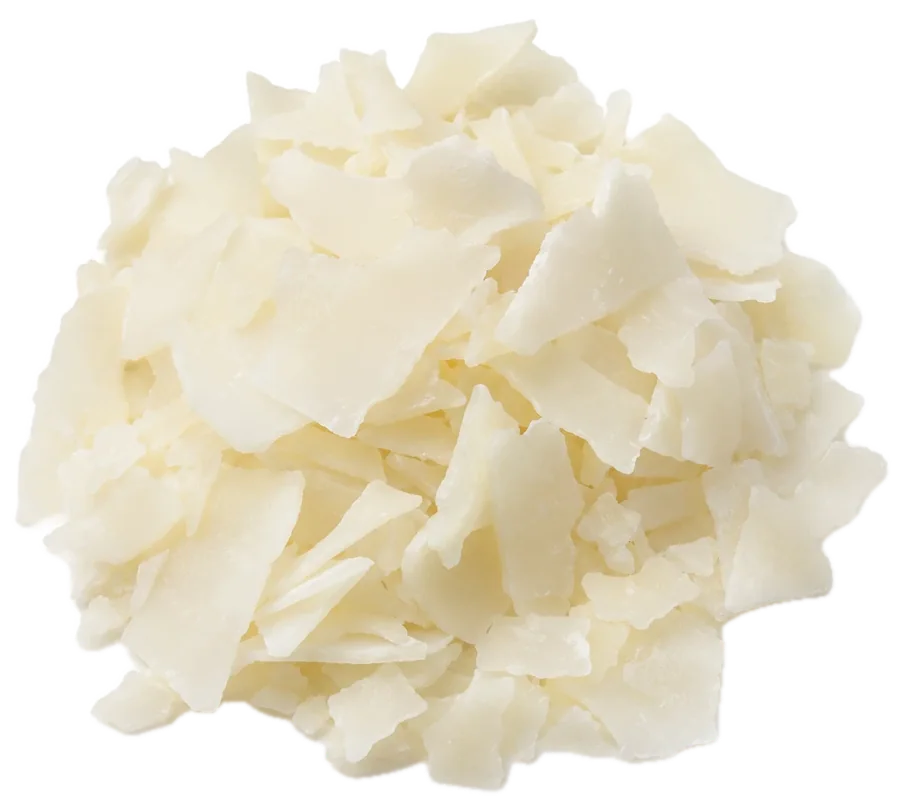
Cetearyl olivate and sorbitan olivate are two different ingredients that both pair olive oil fatty acids with an alcohol
The short version
- Two different esters, both made with fatty acids from olive oil
- Cetearyl Olivate: listed as emollient, emulsifier, emulsion stabilizer, hair conditioner and slip modifier
- Sorbitan Olivate: listed in the EU database only as an emulsifier
- A US expert panel reviewed Sorbitan Olivate in 2002 and considered it safe as used
- Cetearyl Olivate: judged safe at reviewed uses and concentrations when formulated to be non-irritating
The good
- The US CIR panel considered sorbitan olivate safe for cosmetic use under reviewed practices of use.3
- EU CosIng lists both as emulsifiers, with emollient and stabilizing roles for cetearyl olivate.12
The not so good
- Cetearyl olivate's safety conclusion applies to formulas made to be non-irritating.5
- The published clinical safety summary covers sorbitan esters as a group rather than each ingredient.3
The origin story
Cetearyl olivate and sorbitan olivate both start with fatty acids from olive oil.456
Making them means pairing those acids with cetearyl alcohol for one and sorbitan for the other.456 Sorbitan olivate was already used in cosmetic formulas by 2002.36 By 2009, the pair was being mixed into emulsions for use on skin.47
What are cetearyl olivate and sorbitan olivate?
Cetearyl Olivate is the ester of cetearyl alcohol and the fatty acids derived from olive oil.1
Sorbitan Olivate is a monoester of olive oil fatty acids with a sorbitol-derived compound.2 The Cosmetic Ingredient Review, a US expert panel, describes sorbitan fatty acid esters as mono-, di- and triesters of fatty acids and sorbitol-derived hexitol anhydrides.3
How are they different?
Cetearyl olivate and sorbitan olivate differ in their alcohol half: cetearyl alcohol in one, a sorbitol-derived compound in the other.12
You can see it in their job listings. The EU's CosIng database gives Cetearyl Olivate five functions: emollient, emulsifying, emulsion stabilizing, hair conditioning and slip modifier.1 Sorbitan Olivate gets one: emulsifying.2
Are they safe?
The Cosmetic Ingredient Review considered Sorbitan Olivate and nine other sorbitan esters safe for cosmetic use under the present practices of use.3
It looked at them together in 2002.3 Reported use reached 25%, though most products used less than 10%.3 In clinical tests, sorbitan fatty acid esters were generally minimal to mild skin irritants and nonsensitizing, though sorbitan sesquioleate caused allergic reactions in fewer than 1% of patients with suspected contact dermatitis.3 The published summary covers the whole group rather than each ester.3
A CIR alkyl ester review includes Cetearyl Olivate, judged safe at the uses and concentrations reviewed when formulated to be non-irritating.5 CosIng shows no restriction entries for either ingredient.12
Good to know
If a product with cetearyl olivate or sorbitan olivate irritates your skin, stop using it and check in with a dermatologist.
Back to the listQuestions people ask
Are cetearyl olivate and sorbitan olivate the same thing?
No, cetearyl olivate and sorbitan olivate are not the same thing. Cetearyl Olivate is an ester of cetearyl alcohol and olive oil fatty acids.1 Sorbitan Olivate is a monoester of olive oil fatty acids with a sorbitol-derived compound.2
What does cetearyl olivate do in skincare?
CosIng lists cetearyl olivate as an emollient, emulsifying agent, emulsion stabilizer, hair conditioner and slip modifier.1
Is sorbitan olivate safe?
A US expert panel considered sorbitan olivate safe for cosmetic use under present practices of use in 2002, in a review of ten sorbitan esters.3
Find it in
- cocolicious luscious lip scrub - bakuchiol $11.99
- cocolicious luscious lip scrub - coconut sorbet $9.99
- cocolicious luscious lip scrub - matcha latte $9.99
- cocolicious luscious lip scrub - peppermint crush $9.99
- cocolicious luscious lip scrub - vitamin c & turmeric $12.99
- the ultimate bakuchiol firming serum $19.99
Related ingredients
Back to the listSources
Show all 7 sources
- European Commission. CosIng cosmetic ingredient database: Cetearyl Olivate. Open source
- European Commission. CosIng cosmetic ingredient database: Sorbitan Olivate. Open source
- Lanigan RS, Yamarik TA; Cosmetic Ingredient Review Expert Panel. Final report on the safety assessment of sorbitan caprylate, sorbitan cocoate, sorbitan diisostearate, sorbitan dioleate, sorbitan distearate, sorbitan isostearate, sorbitan olivate, sorbitan sesquiisostearate, sorbitan sesquistearate, and sorbitan triisostearate. International Journal of Toxicology. 2002;21(Suppl 1):93-112. Open source
- Amari S, Thibodeau A. Use of transesterified olive oil in the cosmetic field. WO2009093104A2. Published July 30, 2009. Applicant: B & T Srl. Open source
- Fiume MM, Heldreth B; Cosmetic Ingredient Review Expert Panel. Amended Safety Assessment of Alkyl Esters as Used in Cosmetics. Final Amended Report, released April 12, 2013. Table 5, Cetearyl Olivate; conclusion and ingredient list. Open source
- European Commission. First Update of the Inventory of Ingredients Employed in Cosmetic Products, Section 1. Inventory headed 09/06/2000; print footer July 17, 2000. Sorbitan Olivate entry, page 392. Open source
- Roberto A, Siqueira Jorge AT, Villa Nova E Silva L, De Albuquerque Junior W. A cosmetic composition and a process for preparing said composition. WO2007028224A1. Published March 15, 2007. Applicant: Natura Cosmeticos SA. Open source