






TL;DR: Bakuchiol and retinol can both help soften the look of fine lines and uneven tone. Bakuchiol has promising research and tends to be gentler, while retinol has a longer research history. Choose around your skin's comfort and the routine you can keep, rather than expecting two different ingredients to behave exactly alike.
If retinol leaves your skin feeling tight or looking flaky, the appeal of a gentler option is easy to understand. Bakuchiol is often called a plant-based retinol alternative. That is a useful starting point, but the details matter: a comparison of ingredients is not a promise that every finished formula gives the same results.
What is bakuchiol?
Bakuchiol is a plant-derived ingredient associated with the babchi plant. In skincare, its appeal is cosmetic: smoother-looking texture, a softer appearance of fine lines, and more even-looking tone. It is a different ingredient from retinol, even when products put the two in the same conversation.
Cleveland Clinic describes bakuchiol as a potentially gentler option that may help skin look smoother and reduce the appearance of wrinkles. Gentler still leaves room for individual reactions. You are choosing a formula for your own skin, rather than a label that guarantees comfort for everyone.
What is retinol?
Retinol is a vitamin A derivative with a longer research history in skincare. People often choose it for the appearance of fine lines and uneven texture. Its practical drawback is tolerability: scaling, stinging, and a period of adjustment can make a routine harder to maintain.
If you already use a retinol formula comfortably, you do not need to switch just because bakuchiol is plant-derived. If your routine repeatedly leaves skin uncomfortable, a gentler approach is worth discussing with your dermatologist. The best comparison includes how your skin feels along the way.
What the comparison study actually showed
A randomized, double-blind trial published in the British Journal of Dermatology followed 44 participants for twelve weeks. Researchers compared bakuchiol cream with retinol cream and assessed visible signs of facial photoaging, including wrinkle surface area and hyperpigmentation. Both groups improved on those measures, with no statistically significant difference between the groups.
The retinol group reported more scaling and stinging. That finding supports bakuchiol's reputation as a gentler alternative, but one small trial does not establish that every bakuchiol product matches every retinol product. The results describe the formulas and routine studied, rather than a universal ranking.
It also helps to keep the goal specific. This is evidence about the appearance of facial skin. It does not turn a cosmetic oil into a treatment for a skin condition or make an immediate before-and-after photo a fair test of longer-term results.
Choose around comfort, texture, and consistency
- If retinol already suits you: weigh whether you actually want a different texture or routine before changing an ingredient you tolerate.
- If your skin reacts easily: bakuchiol may be worth considering, with a patch test before a full-face application.
- If you dislike rich layers: look at the formula's format as well as its headline active. A water-based serum and a face oil feel different.
- If you are starting fresh: introduce one new product at a time so you can tell how it fits your skin.
Read the full directions before deciding where a product goes. A routine that feels easy to repeat gives you a clearer way to assess comfort than changing several steps every few days. More products do not automatically make the comparison more useful.
Our oil and serum options
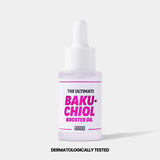
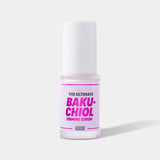
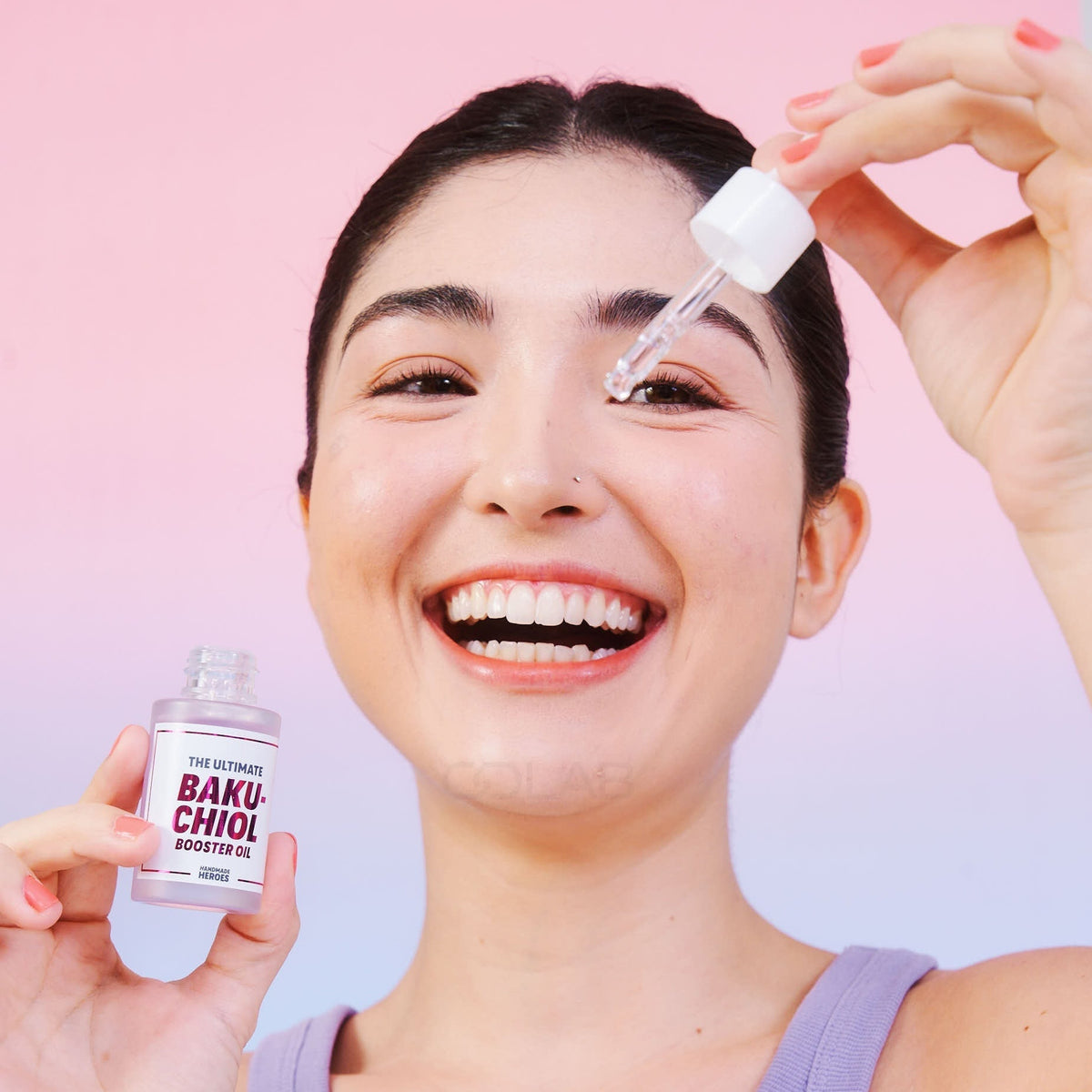
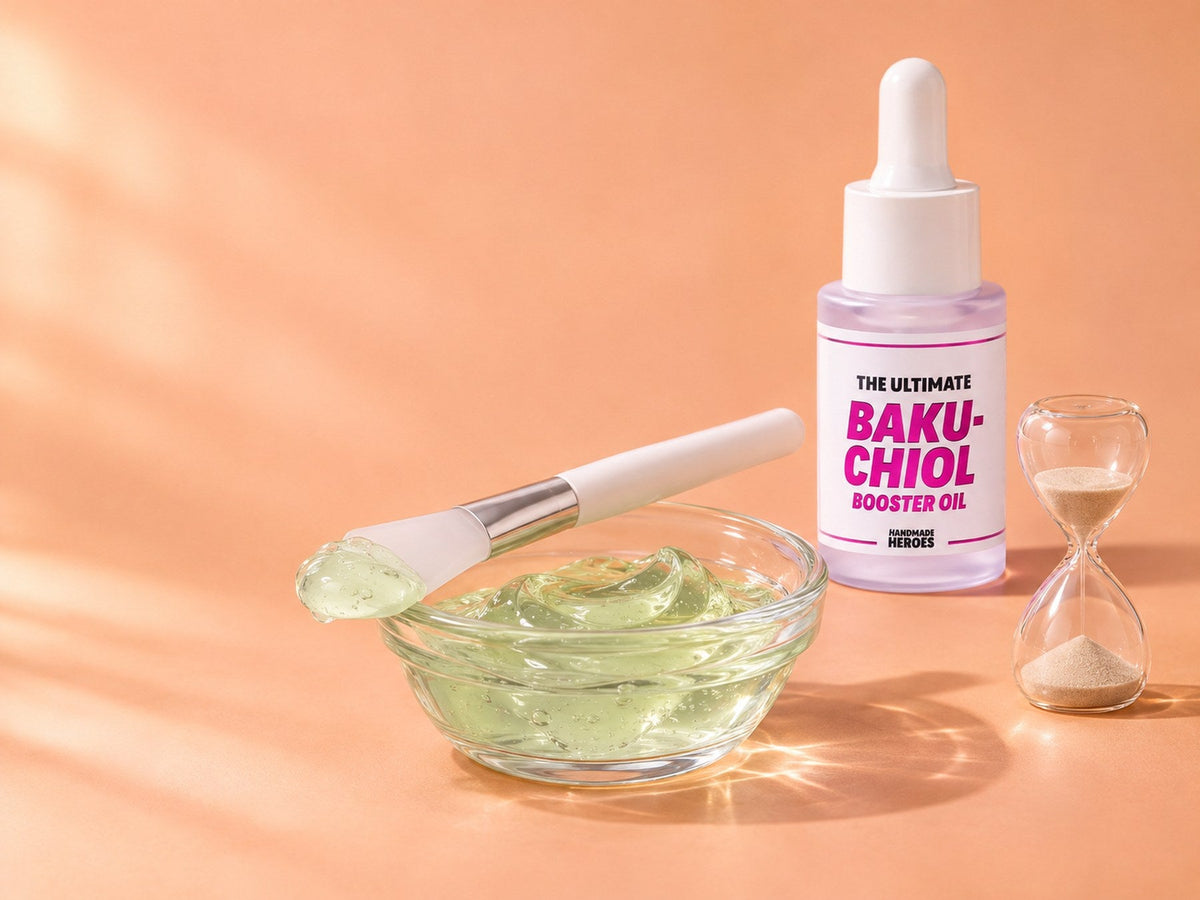
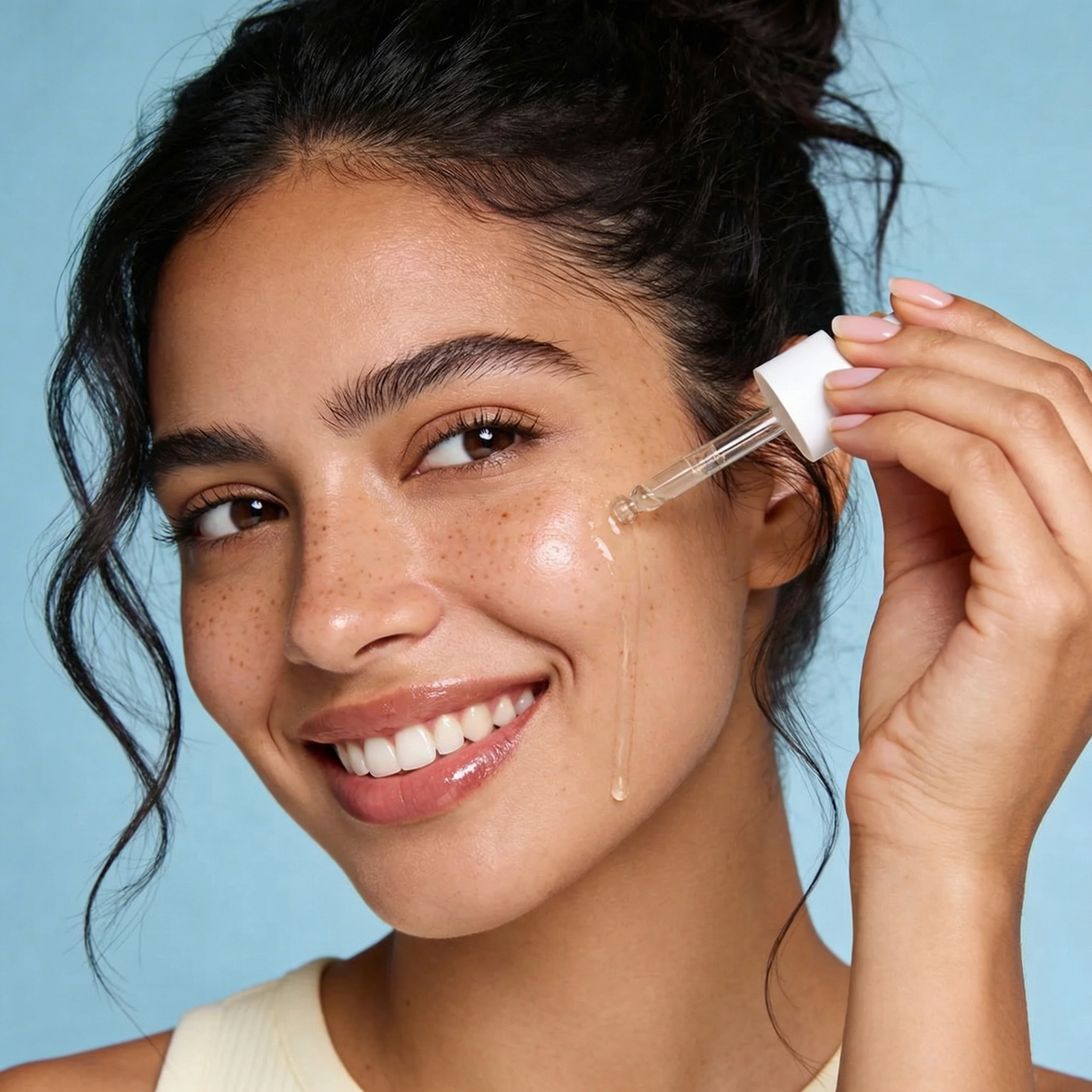
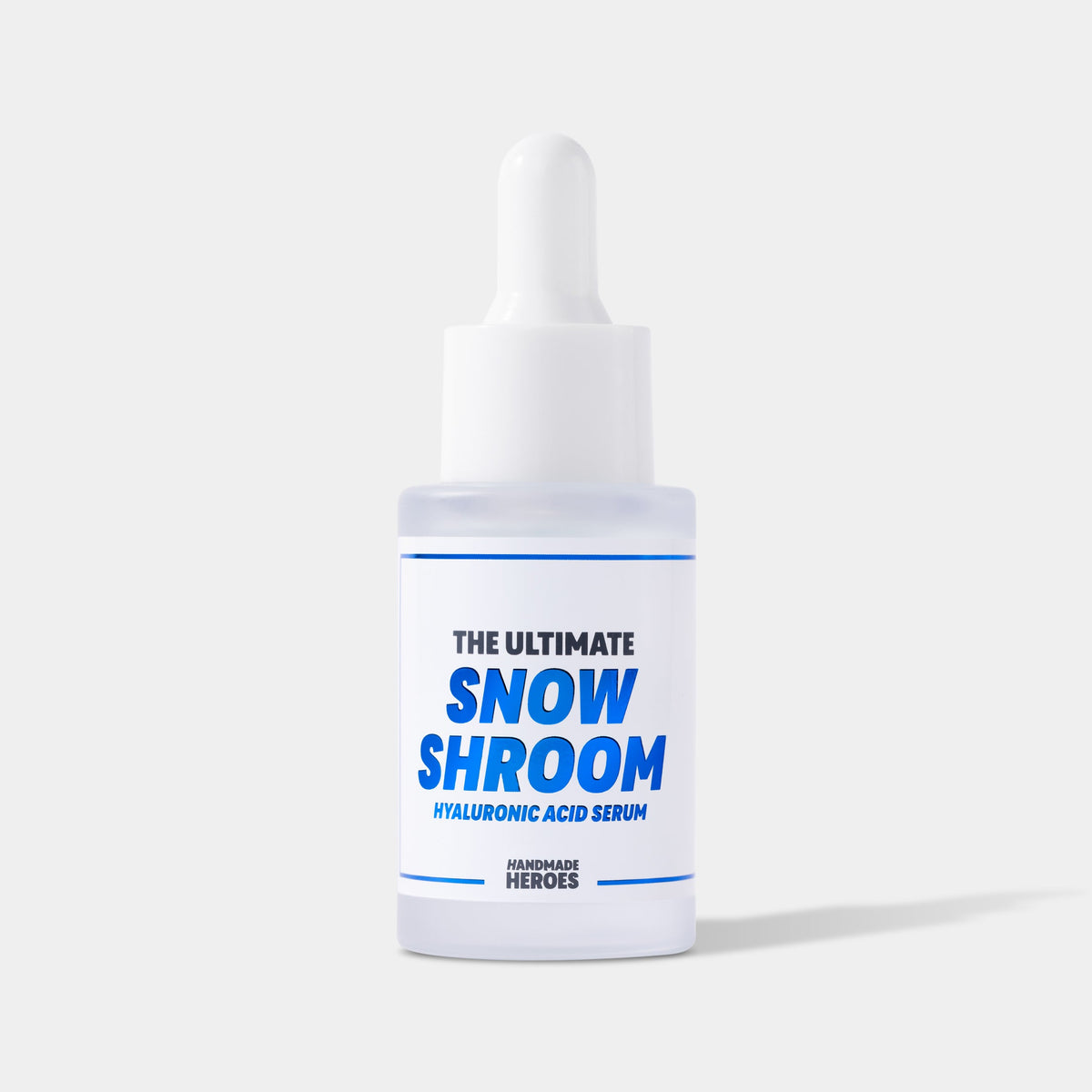
The Bakuchiol Booster Oil pairs 2% bakuchiol with sugarcane squalane for a few smoothing drops. The water-based Bakuchiol Firming Serum offers a lightweight format that layers before moisturizer. Both fit a cosmetic routine focused on smoother-looking skin and a softened appearance of fine lines.
Pick the texture you enjoy using. The oil makes sense if you like the feel of a facial oil; the serum suits a lighter layer. You do not need both to begin. Our guide to bakuchiol oil versus serum walks through the format choice in more detail.
Patch test before you commit
The American Academy of Dermatology recommends testing a new skincare product on a quarter-sized spot on your inner arm or elbow, using it twice a day for seven to ten days. Use the usual amount and follow the product's directions. If your skin reacts, stop rather than pushing through discomfort.
For a face that is already irritated, keep the next step simple and check with your dermatologist. A reputation for gentleness does not replace individual advice. You can also read our bakuchiol guide for sensitive skin before choosing a formula.
Give visible changes time
The comparison trial ran for twelve weeks. That gives you a more realistic frame than expecting your first application to settle the question. Notice comfort as you go, and compare the look of your skin under similar lighting instead of judging it against a different mirror every morning.
Keep sunscreen in your morning routine whichever ingredient you choose. If you are pregnant or nursing, ask your clinician before adding an active. Cleveland Clinic notes that more research is needed on bakuchiol's safety in pregnancy, so its plant origin is not a safety guarantee.
FAQ
Is bakuchiol as effective as retinol?
One small comparison trial found similar improvements in the visible measures studied, with better tolerability for bakuchiol. That is encouraging evidence, with limits.
Can I use both in the same routine?
You do not need to combine them to start. If you already use retinol, ask your dermatologist before adding another active, especially if your skin reacts easily.
Is bakuchiol always suitable for sensitive skin?
No formula suits everyone. Patch test first and stop if your skin becomes uncomfortable.
How soon should I judge the results?
Think in weeks rather than days. The trial assessed results over twelve weeks, while your day-to-day comfort remains a reason to reassess sooner.
More on bakuchiol
- How to Start Bakuchiol: A Beginner's Guide to Your First Bottle
- Can You Use Bakuchiol and Vitamin C Together?
- Bakuchiol for Sensitive Skin: The Gentler Case
- Bakuchiol Oil vs. Serum: Which Format Is Right for You?




Leave a comment
This site is protected by hCaptcha and the hCaptcha Privacy Policy and Terms of Service apply.